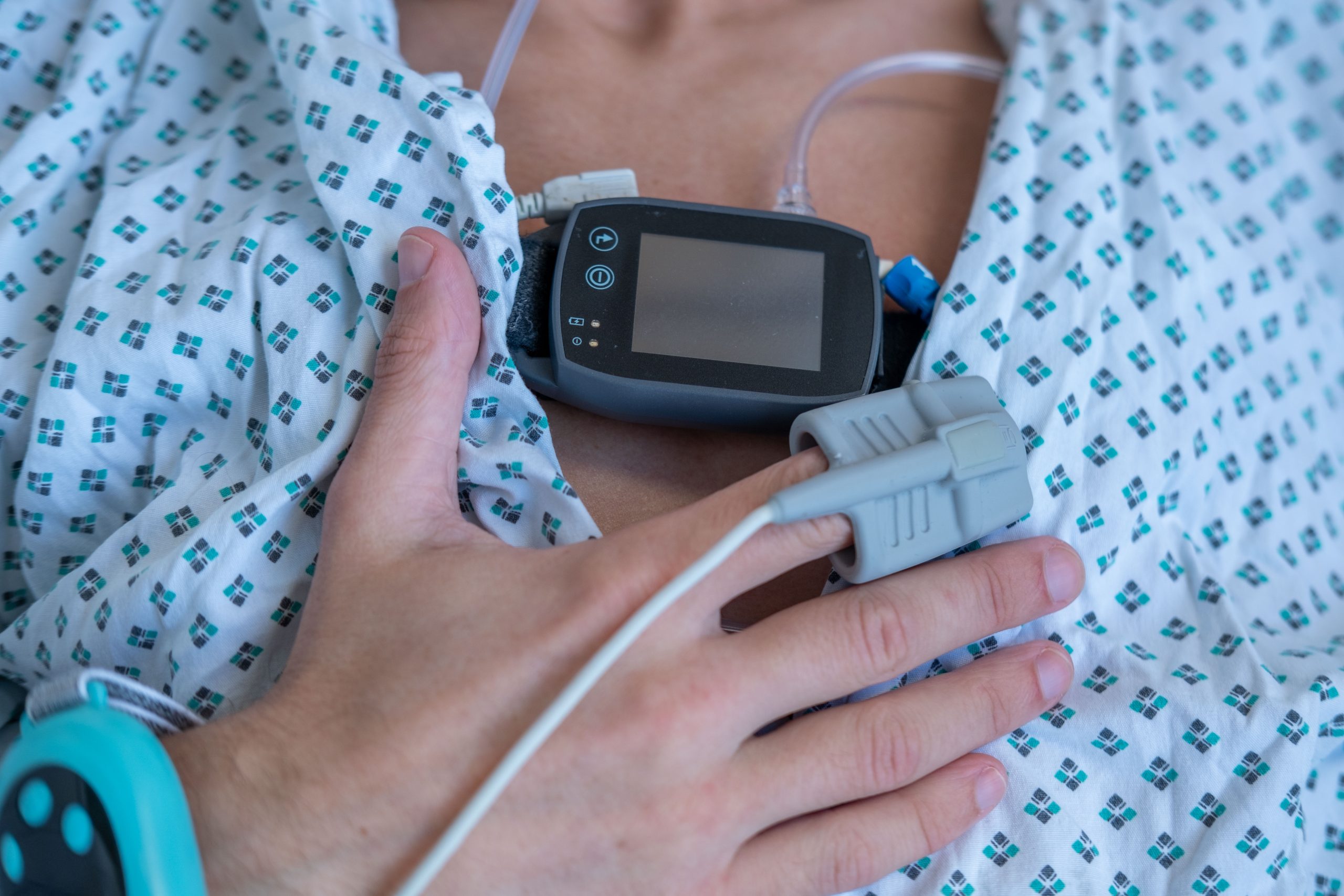
An in-lab sleep study, also called polysomnography (PSG), involves spending a night at a specialized sleep center where trained technicians monitor your sleep patterns, breathing, heart rate, and body movements to diagnose sleep disorders. During your overnight stay at ISS Gulfcoast’s facility, you’ll sleep in a comfortable, hotel-like room while sensors painlessly record data that helps Dr. Vincent Pisciotta, M.D., F.A.C.S., determine whether you have conditions such as sleep apnea, restless leg syndrome, or other sleep-related issues.
The idea of sleeping in an unfamiliar place while being monitored can seem daunting. However, understanding the process from start to finish can help alleviate any concerns and prepare you for a successful study.
An in-lab sleep study is the most thorough method for evaluating sleep. Unlike a home sleep study, which primarily screens for breathing issues, an in-lab study captures a wide array of physiological data.
At ISS Gulfcoast, your journey begins with an in-person consultation with Dr. Pisciotta. Based on your symptoms and health history, he will determine which type of sleep study is most appropriate for you:
In-Lab Sleep Study (Polysomnogram): The most comprehensive test, performed overnight at our state-of-the-art facility. It’s considered the gold standard for diagnosing a wide variety of sleep disorders.
Home Sleep Apnea Test (HSAT): A convenient screening tool for obstructive sleep apnea that you can use in the comfort of your own home. It measures fewer parameters, focusing on breathing, heart rate, and oxygen levels.
Daytime Sleep Study (Multiple Sleep Latency Test – MSLT): This study is often performed the day after an overnight study to diagnose narcolepsy and measure the severity of daytime sleepiness. It involves a series of scheduled naps throughout the day.
Dr. Pisciotta may recommend an in-lab sleep study if you’re experiencing symptoms that suggest a significant sleep disorder. These three questions often indicate the need for evaluation:
Do you snore?
Are you tired during the day?
Do you stop breathing when sleeping?
Many patients, particularly middle-aged men from across the Gulf Coast area, come with concerns from spouses about loud snoring or pauses in breathing. Other common reasons include:
Excessive daytime sleepiness (hypersomnia) that interferes with work or daily activities
Loud, persistent snoring
Witnessed episodes of gasping, choking, or stopping breathing during sleep
Difficulty falling or staying asleep, characteristic of insomnia
Unusual behaviors during sleep, such as sleepwalking or acting out dreams (parasomnias)
An uncontrollable urge to move your legs, especially at night (restless leg syndrome)
On the day of your study, maintain your normal routine but avoid napping. Shower and wash your hair before arriving, but don’t use hair products, lotions, or makeup that might interfere with sensor adhesion.
Plan to arrive at the designated hospital sleep lab in the evening, typically between 7:00 and 9:00 PM. The exact timing depends on your appointment and facility schedule.
To get the most accurate results, avoid substances that can alter your natural sleep patterns:
Caffeine: Avoid coffee, tea, soda, energy drinks, and chocolate after lunchtime on the day of your study
Alcohol: Do not consume any alcoholic beverages, as alcohol can suppress REM sleep and worsen breathing disruptions
Sedatives: Avoid over-the-counter sleep aids unless specifically instructed otherwise by Dr. Pisciotta
Continue taking all prescribed medications unless Dr. Pisciotta directs otherwise. Inform the sleep technician of all medications you’re currently taking.
Pack an overnight bag as if staying at a hotel:
Comfortable sleepwear (two-piece outfits work with sensor placement)
Toiletries and personal hygiene items
Change of clothes for the next morning
Any medications you take at bedtime or in the morning
Reading material or quiet activities for before bedtime
Personal pillow, if it helps you sleep better
Snacks or non-caffeinated beverages
Insurance card and identification
Upon arrival between 8:00 and 9:00 PM, a sleep technician will greet you and show you to your private room. You’ll complete paperwork, including a pre-sleep questionnaire about your sleep quality and medications.
The technician will explain the procedure and answer any questions before giving you time to settle in and follow your normal bedtime routine.
Modern sleep lab rooms are designed to feel more like quiet hotel rooms than hospital settings. Your private room will have a comfortable regular bed, a nightstand, and usually a television.
Discrete cameras and microphones allow technicians to monitor from a separate control room, but these are used only for medical purposes during your study.
Each room features high-quality beds with fresh linens and temperature controls you can adjust to your preference. Most rooms have private attached bathrooms for convenience.
You can bring your own pillow for added comfort. If you need anything during the night – extra blankets or temperature changes – simply speak up or press the call button.
Once ready for bed, the technician will attach sensors to monitor your sleep. This painless process takes 30-45 minutes and involves placing small electrodes on your scalp, face, chest, and legs using water-soluble paste or medical adhesive.
The wires connect to a small box that transmits data, with enough slack for natural movement during sleep.
The comprehensive monitoring includes:
Electroencephalogram (EEG): Electrodes on your scalp to monitor brain wave activity and sleep stages
Electrooculogram (EOG): Sensors near your eyes to track eye movements and identify REM sleep
Electromyogram (EMG): Sensors on your chin and legs to measure muscle activity
Electrocardiogram (ECG/EKG): Patches on your chest to monitor heart rate and rhythm
Respiratory Sensors: Nasal cannula, thermistor, and elastic belts around the chest and abdomen to track breathing
Pulse Oximeter: Finger clip to measure blood oxygen levels
Microphone: On your neck to record snoring
Together, these sensors provide synchronized recordings of your sleep. Dr. Pisciotta can see how brain activity, breathing, heart function, oxygen levels, and muscle movements interact throughout the night.
This helps identify if oxygen drops are caused by breathing pauses (apnea events) and how these affect your heart rate and sleep quality.
A sleep technician monitors data streams from a control room, focusing primarily on physiological data rather than watching video continuously. The infrared camera and intercom exist for safety, allowing them to see if sensors come loose or if you need assistance.
Yes, simply use the intercom to call the technician. They’ll quickly disconnect the main wire unit so you can move freely, then reconnect when you return.
Yes, the study requires sleeping alone in your private room to ensure data collection is solely from you without disruptions from bed partners.
Technicians only wake you if necessary, such as to reattach critical sensors or implement a split-night protocol if severe sleep apnea is detected early.
No, the process is painless. Sensors simply attach to your skin surface. While the wires may feel cumbersome initially, most patients adjust quickly.
Sleep in whatever position feels natural. The wires accommodate movement, allowing you to sleep on your back, side, or stomach as preferred.
While sleeping in a new environment with sensors is different, most patients sleep better than expected. Even a few hours provides valuable diagnostic information.
If significant breathing disruptions occur during the first few hours, the technician may initiate a split-night protocol. They’ll wake you to fit a Positive Airway Pressure (PAP) mask, allowing diagnosis and treatment calibration in one night.
The study concludes between 5:30 and 6:30 AM. The technician will painlessly remove all sensors using warm cloths or a special adhesive remover.
You’ll have access to a bathroom to freshen up, and some facilities offer showers. After completing a brief post-study questionnaire, you’re free to leave.
Most patients leave within 30-45 minutes of waking, typically by 7:00 AM. You can drive yourself home and resume normal activities immediately.
The sleep study data requires professional analysis. A specialist will score your study and create a detailed report for Dr. Pisciotta. This process takes 1-2 weeks.
ISS Gulfcoast staff will contact you to schedule a follow-up consultation once results are ready. Since the practice receives referrals via fax, ensure your contact information is up to date.
During your follow-up, Dr. Pisciotta will explain your results and diagnosis in clear terms. Based on findings, treatment options may include:
CPAP therapy for sleep apnea
Lifestyle modifications, such as weight loss or positional therapy
Additional testing if needed
This consultation empowers you with knowledge to take control of your sleep health.
Knowing what to expect during an in-lab sleep study transforms an intimidating prospect into a manageable step toward better health. This comprehensive overnight evaluation provides Dr. Pisciotta with critical information to diagnose conditions from sleep apnea to restless leg syndrome.
Most patients find the experience much easier than anticipated. The valuable diagnostic information gained makes the overnight stay worthwhile, helping you achieve the restorative, healthy sleep you deserve.
About the Author
Vincent Pisciotta, M.D., F.A.C.S
May 28, 2026
