
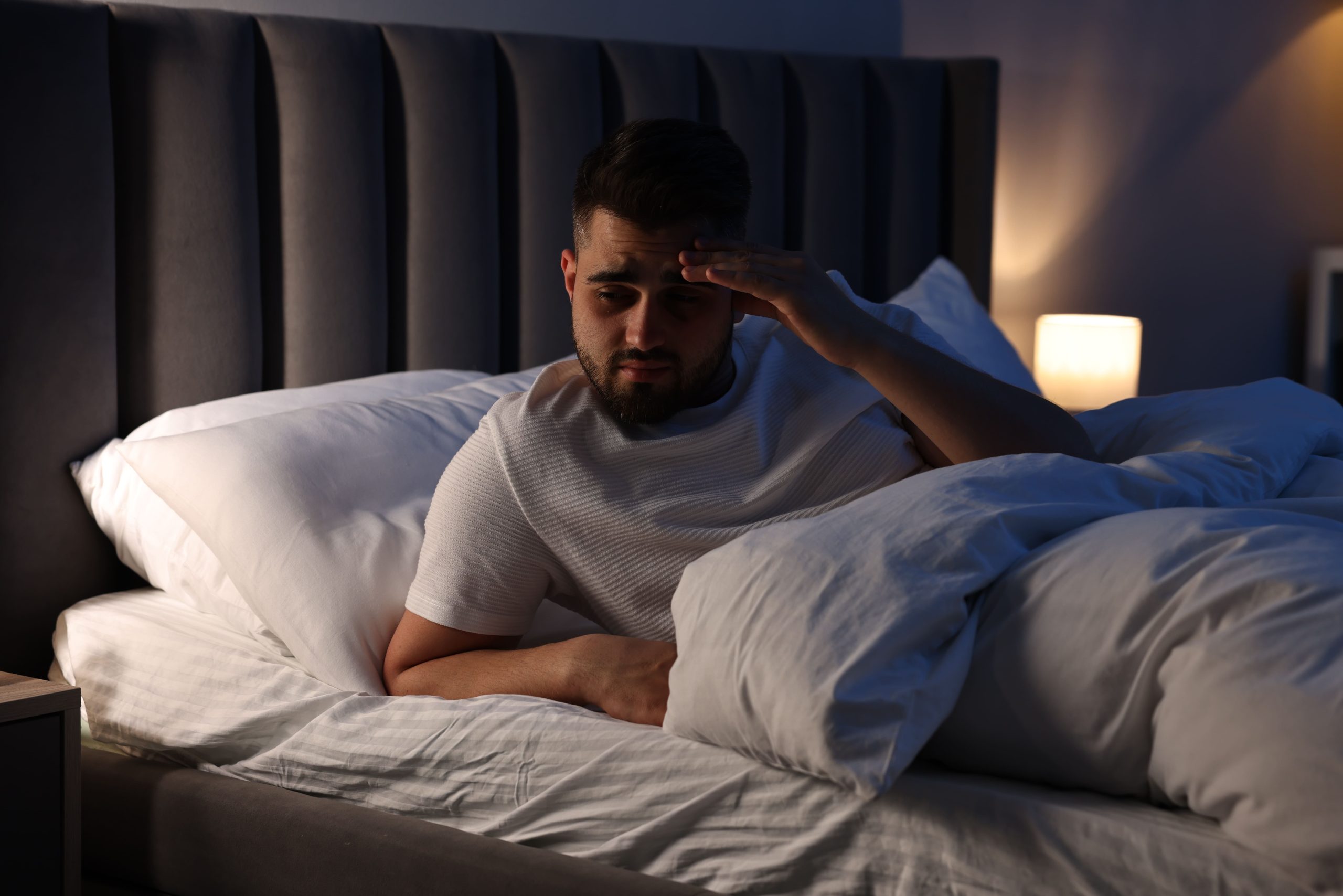
Understanding Sleep Studies
What is a Sleep Study?
A sleep study (often called a polysomnogram when done overnight in a testing environment) is a diagnostic evaluation that monitors how your body behaves during sleep. Depending on the type of study, it may track information such as:
- Breathing patterns and airflow
- Oxygen levels
- Heart rate
- Body position
- Limb movements
- Sleep stages and arousals (brief awakenings)
At ISS Gulfcoast, sleep testing may be arranged after an in-person consultation, where the next step is determined based on symptoms and clinical history. Some patients are scheduled for an in-facility option, such as an overnight study, while others may be asked to complete a home study.
Why are Sleep Studies Important?
Sleep studies help identify the cause of symptoms that can affect daily life and long-term health, such as:
- Loud snoring
- Pauses in breathing during sleep
- Unrefreshing sleep
- Morning headaches
- Daytime fatigue or unplanned naps
- Frequent nighttime awakenings
In many cases, the goal is to confirm or rule out conditions such as sleep apnea, but sleep studies can also provide clues to sleep fragmentation, movement-related sleep disruption, and other patterns that may contribute to insomnia or restless sleep.
Types of Sleep Studies: In-Lab vs. Home Testing
There isn’t just one way to evaluate sleep. Common options include:
- Overnight sleep study (in-facility): Offers comprehensive monitoring across multiple body systems and sleep stages.
- Home sleep study: Typically focuses on breathing and oxygen patterns while you sleep in your own bed.
- Daytime sleep testing: In certain situations, a daytime study can be used to evaluate concerns related to excessive daytime sleepiness.
Each has a purpose. If anxiety about sleeping somewhere new is your biggest barrier, the type of test matters – and your sleep specialist can guide the decision.
Common Concerns About Sleeping During a Sleep Study
Is it Normal to Worry About Not Sleeping?
Yes. Many people feel pressure to “perform” on the night of testing, and that pressure alone can make it harder to fall asleep.
Common worries include:
“I’m not a good sleeper at home – how will I sleep here?”
“What if the wires keep me awake?”
“What if they can’t use my results?”
“What if I’m awake all night?”
What if I Have Insomnia or Trouble Falling Asleep?
Insomnia can absolutely affect how quickly you fall asleep in a new environment. But insomnia is also a reason people seek sleep evaluation, especially when symptoms overlap with other conditions that disrupt sleep.
Insomnia may involve:
Difficulty falling asleep
Difficulty staying asleep
Waking too early
Feeling unrefreshed despite enough time in bed
One important point: sometimes people assume they have “only insomnia,” but fragmented sleep can also be driven by breathing events, snoring-related arousals, limb movement issues, or circadian rhythm problems. Testing helps separate guesswork from measurable patterns.
Will Anxiety Affect My Sleep Study Results?
Anxiety can change how you sleep, especially in the first hour or two. It may lead to:
Longer time to fall asleep
Lighter sleep
More awakenings
More awareness of sounds or sensations
However, anxiety does not automatically make the study invalid. In fact, sleep professionals expect that the first part of the night may look different from a typical night at home. They interpret results with that context in mind.
If anxiety is a major concern, it’s worth discussing during your consultation so the plan can be tailored appropriately.
What Happens if You Can't Sleep During the Study?
Can the Test Still Provide Useful Results?
Often, yes. Even if you sleep less than usual, a sleep study can still capture valuable data. For many sleep-related breathing issues, the body doesn’t need a perfect eight hours of uninterrupted sleep for patterns to appear.
Depending on the type of test and what your sleep specialist is looking for, a shorter total sleep time may still show:
Breathing disruptions
Oxygen drops
Snoring patterns
Sleep fragmentation (frequent arousals)
Body-position effects (back vs. side sleeping)
What if You Truly Can’t Sleep at All?
If you truly do not sleep during the study, the results may be limited, because many measurements are most meaningful during sleep itself. When that happens, the next step depends on your situation and the reason the test was ordered.
Possible outcomes may include:
Reviewing the night’s data to see whether any interpretable sleep occurred (even brief periods)
Considering whether an alternative test type would be more practical (for example, a home-based option for certain concerns)
Repeating the study if needed
Even when sleep time is minimal, the experience is still informative: it tells your sleep specialist what barriers prevented sleep and how to adjust the plan going forward.
Can You Reschedule the Sleep Study?
Sometimes repeating or rescheduling a sleep study is appropriate, especially if the study did not capture enough sleep to answer the clinical question. The decision should be made with guidance from your sleep specialist, based on the amount of usable information obtained and the symptoms being evaluated.
If you’re concerned about whether your night “counted,” don’t assume the worst. It’s common for patients to feel as if they were awake all night, even though they actually slept more than they realized.
How Sleep Technicians Can Help
Support and Accommodations During the Study
A sleep study isn’t meant to be an endurance test. During an overnight evaluation, technicians can often help with practical comfort issues that interfere with sleep, such as:
Adjusting sensors that feel too tight
Helping you reposition wires so you can turn more easily
Troubleshooting equipment that’s bothersome
Reducing disruptions when safe and appropriate
The goal is to record accurate data while making the setup as manageable as possible.
What Technicians Can Do if You’re Having Trouble Sleeping
If you’re struggling to fall asleep, letting the technician know matters. They may be able to:
Confirm that everything is functioning correctly (sometimes reassurance alone helps)
Address a specific discomfort you might be tolerating silently
Provide guidance on how to move or change positions without dislodging sensors
Note the issue so your sleep specialist interprets results with the right context
You don’t have to “tough it out” quietly. A simple adjustment can make a noticeable difference in your ability to relax.
Tips to Help You Sleep During a Sleep Study
How to Mentally Prepare Before the Study
For many people, the biggest obstacle is the mental loop: “I have to sleep, or the test won’t work.” That pressure can be more disruptive than the equipment.
Helpful mindset shifts include:
Aim for “rest,” not perfection. Even quiet, low-stimulation time can lead to drifting off.
Expect a different night. A sleep study is not a normal night – and it doesn’t have to be.
Remind yourself why you’re there. The goal is to answer questions about your sleep and breathing, not winning a sleep contest.
If you tend to be a “light sleeper,” bring that up during your consultation so the plan can match your needs.
Comfort Tips for Sleep Study Night
Small practical choices can make the night feel more familiar:
Follow your usual routine as much as possible. If you normally read before bed, consider doing so (unless instructed otherwise).
Avoid heavy meals late in the evening. Feeling overly full can make it harder to settle.
Limit caffeine later in the day. If you’re sensitive to it, even afternoon caffeine may affect sleep onset.
Bring comfortable sleepwear. Choose something that allows easy sensor placement and movement.
Bring a familiar pillow (if allowed). Familiar textures and scents can reduce the “first-night effect.”
Use the restroom before trying to sleep. Minimizing interruptions helps.
Can You Take a Sleep Aid Before the Study?
This is a common question, and it’s important to handle it the right way: only take a sleep aid if your sleep specialist specifically approves it.
Why? Because certain medications and supplements can:
Change sleep stages
Alter breathing patterns
Reduce arousals that would otherwise be clinically important
Make it harder to compare results to typical nights
If you’re thinking about using anything to help you sleep – prescription, over-the-counter, or herbal – discuss it ahead of time during your sleep consultation so you get guidance that fits your medical history and the purpose of the test.
Alternatives and Next Steps
Is a Home Sleep Study Better if You’re Too Anxious?
For some patients, a home sleep study can feel significantly easier because you’re in your own bed and environment. If you’re anxious about sleeping in an unfamiliar place, the home option may help reduce that stress.
A home study may be a good fit when the main question concerns sleep-disordered breathing (such as suspected sleep apnea). Your sleep specialist will determine whether home testing is appropriate based on your symptoms, health history, and the measurements that need to be taken.
When to Contact Your Sleep Specialist
Reach out to your sleep specialist’s office (before your scheduled test) if:
You have significant insomnia and routinely sleep very little
You have high anxiety about the testing environment
You’re unsure which medications or supplements you should continue
Your symptoms have changed since the study was ordered (worsening snoring, increased daytime sleepiness, or new awakenings)
At ISS Gulfcoast, patients typically start with an in-person consultation with Dr. Vincent Pisciotta, M.D., F.A.C.S., then proceed to the testing approach selected for their situation, and later return for a follow-up to review results and discuss next steps.
Key Takeaways
If you’re asking, “What if I can’t sleep during a sleep study?” remember these points:
Worrying about sleep is normal, and many people still get enough sleep to achieve meaningful results.
Even shorter or lighter sleep can reveal important breathing, oxygen, and arousal patterns.
If you truly can’t sleep, your sleep specialist can review the captured data and decide whether another approach is needed.
Practical comfort adjustments and realistic expectations can make the night easier.
Getting the Most Out of Your Sleep Study Experience

About the Author
Vincent Pisciotta, M.D., F.A.C.S
Better Days
March 30, 2026