
If you fail an at-home sleep study, the test either found signs of a sleep disorder or did not collect enough usable data. In both cases, the next step is a follow-up visit with our team. From there, we may repeat the home test, move you to an in-lab study, or begin treatment planning.
A home sleep study is a simplified test you wear in your own bed. It records your breathing and oxygen levels overnight. This lets us look for breathing problems during sleep without a hospital stay.
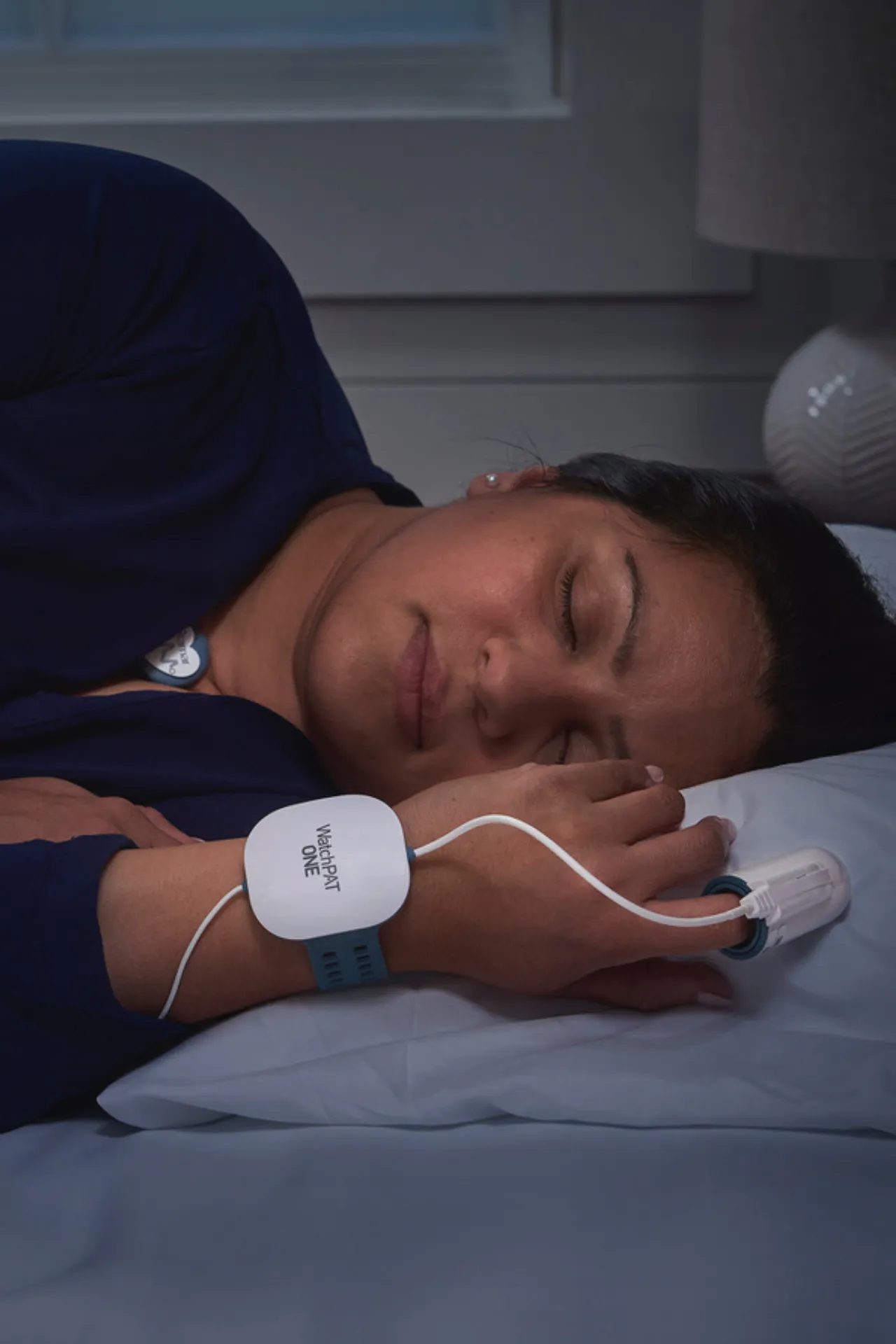
You attach a few small sensors before bed and sleep as you normally would. The device stores data from the night. Once you return it, the recording is scored and reviewed.
Home testing is mainly used to check for sleep apnea. It can also help explain loud snoring or a spouse’s worry that you stop breathing at night. Conditions such as narcolepsy or parasomnias need more detailed testing in a sleep lab.
Many patients ask, "What Happens If You Fail an At-Home Sleep Study?" The answer depends on what "fail" means in your case. For some patients, it means the test showed sleep apnea. That result gives us a clear problem to treat. For others, it means the test was inconclusive, and we need better data before making a diagnosis.
A home test can come back unclear when sensors slip off during the night. Borderline results can also be hard to read. Mild symptoms are sometimes too subtle for a home device to measure well.
If a loose sensor or a short night caused the problem, a repeat home test is often enough. Before your next test, keep your usual bedtime and avoid naps that day. Skip alcohol in the evening, and practice placing the sensors so they stay secure.
An overnight sleep study monitors brain waves, muscle activity and heart rhythm while a technologist watches. We may recommend it when home results are borderline or when another sleep disorder is suspected. Patients with heavy daytime drowsiness may also need a daytime sleep study.
Every study ends with a follow-up review. We explain what your data shows and how it connects to your daytime energy. Treatment may include CPAP or weight loss, depending on your results.
Sensors placed too loosely or on the wrong spot often record nothing useful. Read the setup instructions twice and check each connection before you lie down.
The device needs several hours of actual sleep to score. A restless night or an early wake-up can leave too little data to interpret.
Low batteries and recording faults happen occasionally. When the device itself is at fault, a repeat test usually solves it.
Some patients feel tempted to sleep differently or remove sensors to get a "normal" result. Your results guide every treatment decision we make. An honest night of data protects your health.
A manipulated test can hide sleep apnea that keeps getting worse. Untreated apnea strains the heart and leaves you tired during the day. It can also make driving or working less safe.
An inconclusive test pushes back your diagnosis. Each delay means more nights of poor sleep and more tired days. Retesting quickly keeps the process moving.
Therapy settings depend on accurate numbers. Without clear data, we cannot confirm whether CPAP therapy or another option fits your needs. A clean result lets us match treatment to the severity of your condition.
Reach out to our team if you snore loudly, feel tired during the day, or have been told you stop breathing in your sleep. These signs are worth checking even if a past test came back unclear. Our sleep questionnaire is a simple place to start.
So, what happens if you fail an at-home sleep study? You either have a result we can act on or a reason to test again. A repeat home test or an in-lab study fills in the missing data. Your follow-up visit then sets the direction for treatment and better sleep.