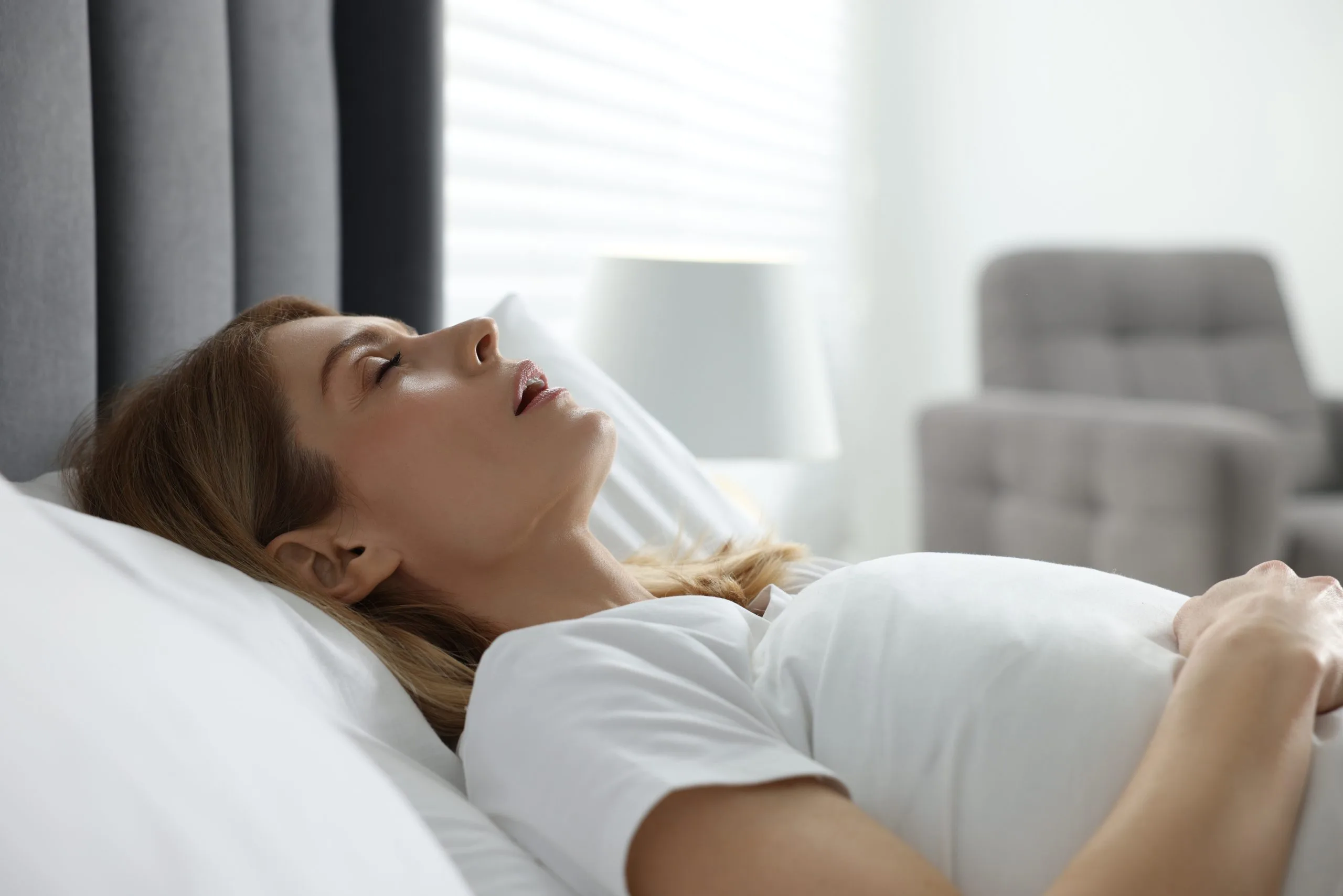
Sleep apnea and anxiety feed each other. Repeated breathing pauses at night stress the body and brain, which can trigger or worsen anxiety. Anxiety, in turn, disrupts sleep and can make apnea symptoms harder to manage. For patients who ask us, “What is the link between sleep apnea and anxiety?” the short answer is that treating the sleep problem often eases the emotional strain too.
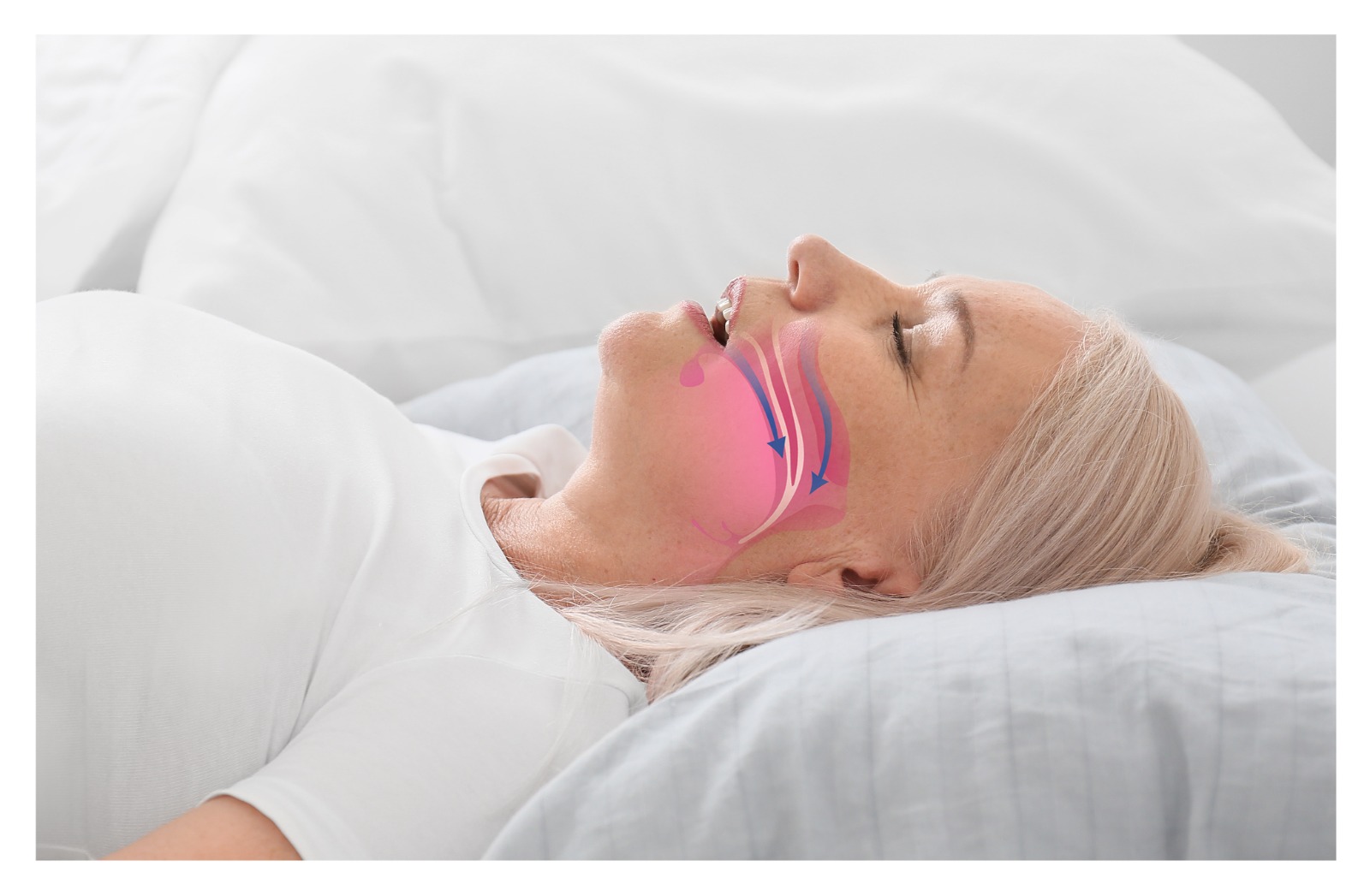
Sleep apnea is a disorder in which breathing stops and starts during sleep. Each pause lowers oxygen levels and briefly wakes the brain, often without the person knowing it.
Loud, frequent snoring
Pauses in breathing noticed by a partner
Daytime sleepiness or needing naps
Morning headaches
Trouble focusing
Many patients come to us because a spouse is worried about their snoring or about seeing them stop breathing at night.
Obstructive sleep apnea happens when the airway relaxes and narrows during sleep. Middle-aged men make up a large share of the patients we see, though sleep apnea affects people of all ages.
Anxiety is a state of worry, fear or tension that goes beyond normal stress. When it lasts for weeks or interferes with daily life, it may be an anxiety disorder.
Symptoms include restlessness, a racing heart, irritability, muscle tension and trouble sleeping. Causes range from genetics and life stress to medical conditions, including untreated sleep disorders.
The two conditions share overlapping symptoms such as fatigue, poor focus and irritability. This overlap means one can mask the other, so a person may be treated for anxiety while an underlying sleep disorder goes unnoticed.
Yes. Each breathing pause triggers a stress response that releases adrenaline and raises heart rate. Over many nights, this keeps the nervous system on high alert. Some patients wake up gasping, which can feel like a panic attack and create fear around bedtime.
Anxiety does not directly block the airway. It can, however, lead to lighter, broken sleep and habits that worsen apnea, such as weight gain or alcohol use before bed. Anxiety can also make it harder to adjust to treatment.
Depression often appears alongside both conditions. Chronic poor sleep drains mood and energy, and low mood can reduce motivation to seek care. This can create a cycle that is hard to break without addressing sleep.
Emotional distress can make apnea feel worse. People with anxiety or depression may notice more daytime exhaustion and more unrestful sleep, even when their breathing events are similar to others.
Left untreated, sleep apnea strains the heart and is linked to high blood pressure. Combined with ongoing anxiety, it can affect work performance, relationships and safety while driving.
At our Biloxi office, every patient evaluated for sleep apnea receives a sleep study. Depending on each patient’s needs, this may be a home sleep study or an overnight sleep study in a facility. Anxiety is typically assessed through a conversation about symptoms, often with a primary care doctor or mental health professional.
After reviewing sleep study results, our team builds a plan that may include a CPAP. Many patients find that steady, restful sleep improves their mood and lowers their anxiety.
Some patients feel nervous about wearing a CPAP mask. A PAP nap lets patients get comfortable with the equipment during a daytime session. Other helpful steps include a regular bedtime, limiting caffeine and alcohol, and working with a counselor when anxiety persists.
Talk with a sleep specialist if you snore, feel tired during the day or have been told you stop breathing at night. These signs matter even more if you also feel anxious or low. Our sleep questionnaire can help you spot warning signs.
What is the link between sleep apnea and anxiety? Broken breathing at night stresses the body and mind, and anxiety can deepen poor sleep in return. A sleep study is the first step toward clear answers, and treating sleep apnea often brings calmer days along with better nights.