
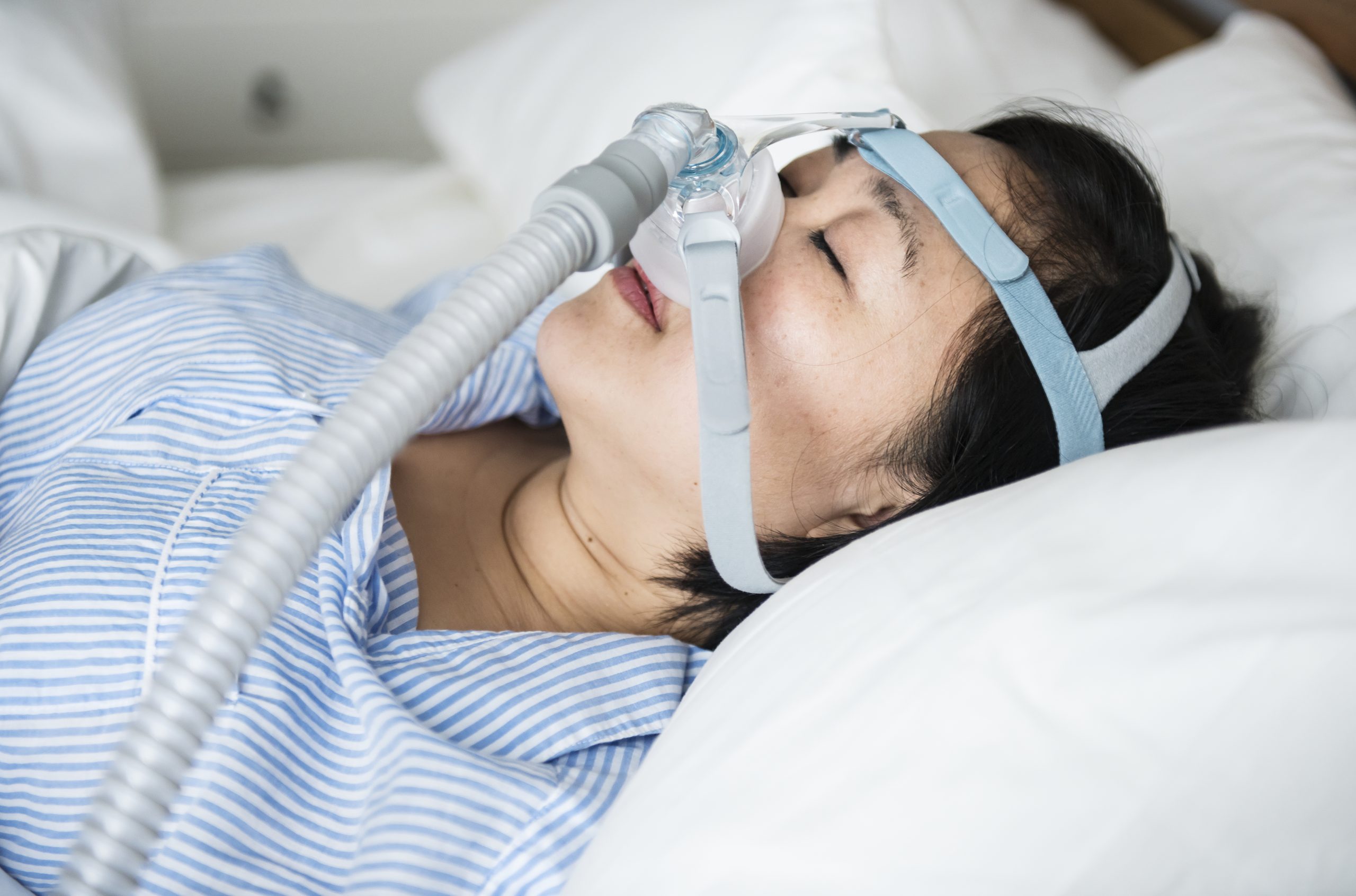
What Is Sleep Apnea
Sleep apnea is a condition in which breathing repeatedly stops and starts during sleep. The most common type is obstructive sleep apnea, which occurs when the airway becomes blocked due to relaxed throat muscles. These interruptions can happen dozens or even hundreds of times each night.
Each pause in breathing reduces oxygen levels and disrupts the natural sleep cycle. As a result, the body is constantly forced to wake up briefly to restore normal breathing, even if the person does not remember these awakenings.
Why Untreated Sleep Apnea Is a Serious Concern
When sleep apnea is not treated, the repeated drops in oxygen and fragmented sleep begin to take a toll on multiple systems in the body. Over time, this can lead to serious health complications.
One of the main concerns is the strain placed on the cardiovascular system. Every time breathing stops, the body reacts by increasing heart rate and blood pressure. This repeated stress can contribute to long-term damage.
In addition, poor sleep quality affects how the brain and body function during the day. This can lead to reduced concentration, mood changes, and decreased overall well-being.
Health Risks Linked to Untreated Sleep Apnea
Cardiovascular Problems
Untreated sleep apnea is strongly linked to high blood pressure, heart disease, and irregular heart rhythms. The constant cycle of oxygen deprivation and recovery puts stress on the heart and blood vessels. Over time, this increases the risk of serious conditions such as heart attack and stroke.
Daytime Fatigue and Cognitive Issues
Because sleep is frequently interrupted, people with untreated sleep apnea often experience chronic fatigue. This can affect memory, focus, and decision-making. Daytime drowsiness also increases the risk of accidents, especially while driving or operating machinery.
Metabolic and Weight-Related Concerns
Sleep apnea can interfere with the body’s ability to regulate hormones that control appetite and metabolism. This may contribute to weight gain and make it more difficult to lose weight. There is also a connection between sleep apnea and insulin resistance, which can increase the risk of developing type 2 diabetes.
Mood and Mental Health Effects
Poor sleep quality can have a direct impact on mental health. Individuals with untreated sleep apnea may experience irritability, anxiety, or depression. Over time, these issues can affect personal relationships and overall quality of life.
How Symptoms Can Worsen Over Time
Sleep apnea does not typically improve on its own. In fact, symptoms often become more severe if the condition is left untreated. Snoring may become louder, breathing interruptions may occur more frequently, and daytime fatigue may increase.
As the condition progresses, the risk of complications also grows. What may begin as mild sleep disruption can eventually lead to significant health problems if not addressed.
When to Seek Evaluation
It is important to seek medical evaluation if you experience symptoms such as loud snoring, gasping for air during sleep, morning headaches, or excessive daytime sleepiness. These signs may indicate underlying sleep apnea that requires professional attention.
At ISS Gulfcoast, Dr. Pisciotta provides comprehensive evaluation and treatment options for patients experiencing sleep-related breathing disorders. Early diagnosis allows for more effective management and helps reduce the risk of long-term complications.
The Importance of Early Treatment
Treating sleep apnea can significantly improve both short-term and long-term health. Patients often notice better sleep quality, increased energy levels, and improved focus during the day.
More importantly, proper treatment helps reduce the risk of serious conditions such as heart disease, stroke, and metabolic disorders. Addressing sleep apnea early can prevent these complications and improve overall quality of life.
Conclusion
Untreated sleep apnea is not just a nighttime issue. It is a condition that can affect the heart, brain, and overall health in serious ways. From cardiovascular risks to daily fatigue and mental health concerns, the impact can be far-reaching.
The good news is that effective treatment options are available. With proper care and guidance from providers like ISS Gulfcoast and Dr. Pisciotta, patients can manage their symptoms and protect their long-term health. Recognizing the signs and seeking timely evaluation is the first step toward better sleep and a healthier future.

About the Author
Vincent Pisciotta, M.D., F.A.C.S
Better Days
April 21, 2026