
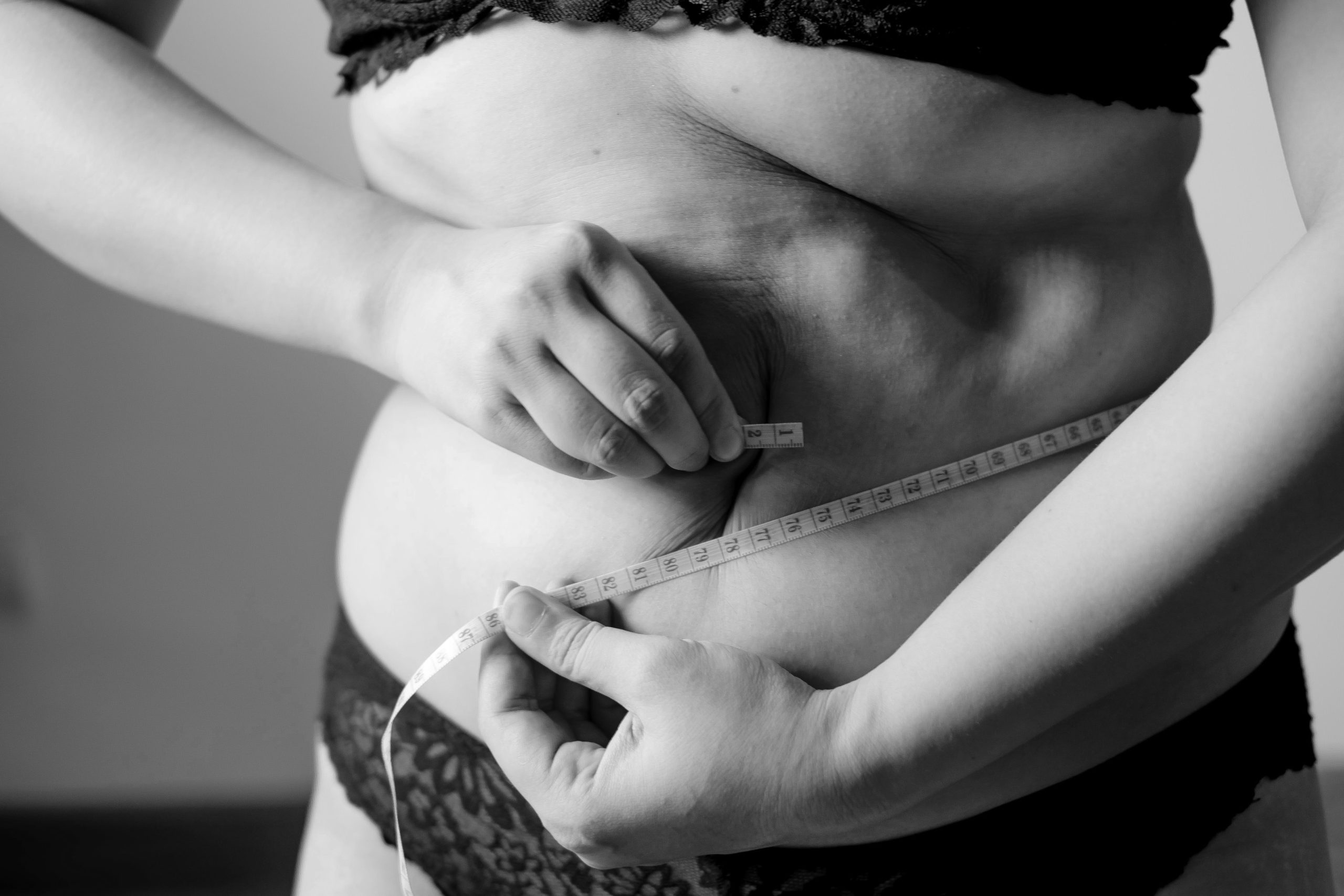
How Weight Affects Snoring
Snoring happens when airflow is partially blocked during sleep, causing the tissues in the throat to vibrate. Excess weight, particularly around the neck and upper body, can increase pressure on the airway and make it narrower.
When the airway becomes tighter, air has more difficulty passing through smoothly. This increases vibration in the throat tissues, which leads to snoring sounds. Because of this, body weight is one of the most common contributing factors in adult snoring.
How Weight Loss Can Improve Snoring
For individuals whose snoring is related to excess weight, losing weight can help reduce pressure around the airway. Even modest weight loss may decrease tissue buildup around the neck and improve airflow during sleep.
As the airway becomes less restricted, breathing tends to become smoother and quieter. Many patients notice that snoring becomes less frequent or less intense after losing weight, especially when combined with other healthy lifestyle changes.
At ISS Gulfcoast, Dr. Pisciotta often considers weight as part of a comprehensive evaluation when assessing patients who report chronic snoring.
Why Weight Loss Does Not Always Stop Snoring Completely
Although weight loss can improve snoring, it does not always eliminate it entirely. This is because snoring can also be caused by other factors that are not related to body weight.
These include nasal congestion, sleep position, alcohol use, and natural airway structure. Some individuals have narrower airways or relaxed throat muscles that contribute to snoring even when body weight is within a healthy range.
In these cases, weight loss alone may help reduce severity but may not fully resolve the issue.
The Connection Between Weight and Sleep Apnea
Snoring can sometimes be a sign of obstructive sleep apnea, a condition where breathing repeatedly stops and starts during sleep. Excess weight is a known risk factor for sleep apnea because it can contribute to airway narrowing and obstruction.
In patients with both snoring and sleep apnea, weight loss may help improve symptoms and reduce the severity of breathing interruptions. However, medical treatment is often still required for full management of the condition.
Other Benefits of Weight Loss for Sleep
Even when weight loss does not completely stop snoring, it can still improve overall sleep quality. Reducing excess weight can lower blood pressure, improve breathing efficiency, and increase energy levels during the day.
Better sleep quality often follows improved physical health, which can further reduce fatigue-related sleep issues that may worsen snoring.
When Snoring Should Be Evaluated Further
If snoring is loud, frequent, or accompanied by symptoms such as daytime fatigue, gasping during sleep, or poor concentration, it is important to seek medical evaluation. These may be signs of sleep apnea or another sleep-related breathing disorder.
At ISS Gulfcoast, Dr. Pisciotta provides comprehensive evaluation for patients experiencing chronic snoring to determine whether further testing is needed and to identify the underlying cause.
Combining Weight Loss With Other Strategies
For best results, weight loss is often combined with other lifestyle changes. Sleeping on the side, avoiding alcohol before bed, and treating nasal congestion can all help improve airflow and reduce snoring.
In some cases, additional medical treatment may be necessary depending on the severity of symptoms and the presence of sleep apnea.
Conclusion
Weight loss can reduce snoring, especially when excess body weight is a contributing factor to airway narrowing. While it may not eliminate snoring in every case, it often helps decrease its frequency and intensity while improving overall sleep quality.
Because snoring can also be caused by other factors, a proper evaluation is important for persistent symptoms. With guidance from specialists like ISS Gulfcoast and Dr. Pisciotta, patients can identify the root cause and find the most effective approach to improve breathing and sleep health.

About the Author
Vincent Pisciotta, M.D., F.A.C.S
Better Days
April 8, 2026