

How Sleep Apnea Affects the Body
Sleep apnea occurs when breathing repeatedly stops and starts during sleep. In obstructive sleep apnea, the airway becomes blocked, leading to temporary drops in oxygen levels. These interruptions can happen multiple times per hour throughout the night.
Each time breathing stops, the body experiences a short burst of stress. The brain signals the body to wake up briefly in order to restore airflow. This cycle places repeated strain on the heart and blood vessels over time.
The Connection Between Sleep Apnea and Heart Health
When oxygen levels drop during sleep, the cardiovascular system responds by working harder. This includes increases in heart rate and blood pressure. Over time, these repeated stress responses can contribute to long-term damage to the heart and blood vessels.
Sleep apnea also triggers inflammation and hormonal changes in the body, both of which can further impact heart health. Because these effects occur nightly, the cumulative strain can become significant if the condition is not treated.
Heart Conditions Linked to Sleep Apnea
High Blood Pressure
One of the most common conditions associated with sleep apnea is high blood pressure. The repeated oxygen drops and stress responses during sleep can cause persistent elevation in blood pressure levels, even during waking hours.
Heart Disease
Sleep apnea is also linked to an increased risk of coronary artery disease. Reduced oxygen supply and chronic inflammation may contribute to the buildup of plaque in the arteries, which can restrict blood flow to the heart.
Irregular Heart Rhythms
Patients with sleep apnea are more likely to experience arrhythmias, which are abnormal heart rhythms. These can range from mild irregularities to more serious conditions such as atrial fibrillation.
Heart Failure and Stroke Risk
Severe or untreated sleep apnea may increase the risk of heart failure and stroke. The combination of high blood pressure, oxygen deprivation, and strain on the cardiovascular system contributes to these serious outcomes over time.
Why Sleep Apnea Increases Cardiovascular Strain
One of the main reasons sleep apnea affects the heart is the repeated cycle of oxygen deprivation followed by sudden restoration. This process causes fluctuations in blood pressure and heart rate throughout the night.
The body remains in a state of stress, even during sleep, which prevents proper recovery and places continuous demand on the cardiovascular system. Over time, this can weaken the heart and increase the risk of disease.
Importance of Early Diagnosis and Treatment
Because of its impact on heart health, identifying and treating sleep apnea early is essential. Many patients are unaware they have the condition until symptoms become more severe or complications arise.
At ISS Gulfcoast, Dr. Pisciotta evaluates patients for sleep-related breathing disorders and provides personalized treatment options. Addressing sleep apnea can significantly reduce strain on the heart and improve overall health outcomes.
How Treatment Helps Protect the Heart
Effective treatment for sleep apnea helps restore normal breathing during sleep and maintains steady oxygen levels. This reduces stress on the cardiovascular system and lowers the risk of long-term complications.
Patients who receive treatment often experience improvements in blood pressure, energy levels, and overall sleep quality. Over time, this can significantly improve heart health and reduce the risk of serious conditions.
Conclusion
Sleep apnea can absolutely contribute to heart problems if left untreated. The repeated interruptions in breathing and oxygen levels place ongoing stress on the cardiovascular system, increasing the risk of high blood pressure, heart disease, arrhythmias, and other complications.
With early diagnosis and proper treatment from specialists like ISS Gulfcoast and Dr. Pisciotta, patients can reduce these risks and protect their long-term heart health while improving sleep quality and overall well-being.
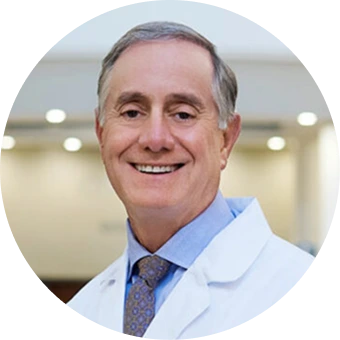
About the Author
Vincent Pisciotta, M.D., F.A.C.S
Better Days
April 18, 2026