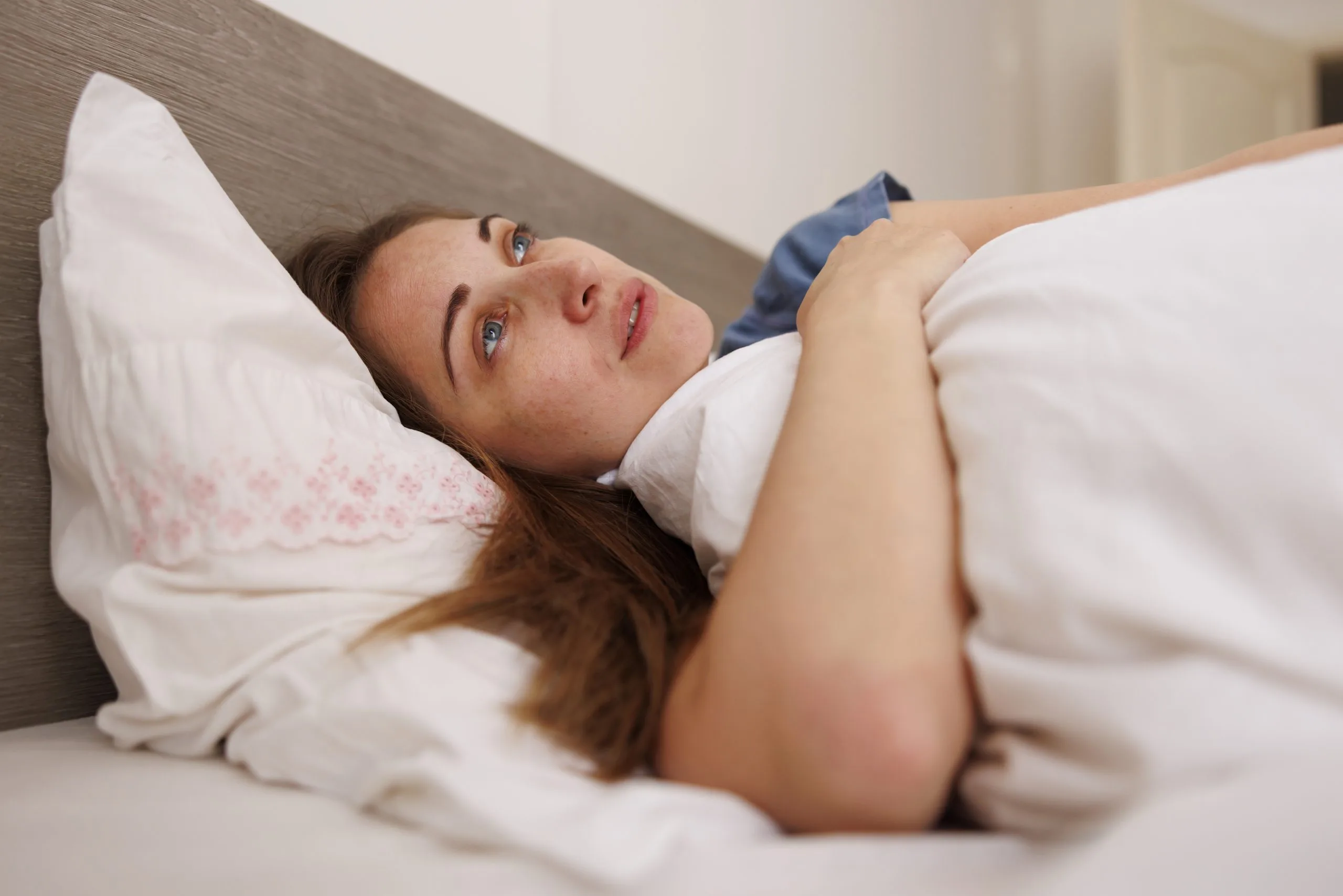
It can be either, and often it is both. Burnout comes from long-term stress that drains your energy, focus and drive. A sleep disorder breaks up the quality or amount of rest your body gets each night. The two share many symptoms, such as constant fatigue, poor focus and a short temper, so they are easy to confuse. The clearest way to tell them apart is to look at how you sleep and how you feel when work stress eases. If you still wake up exhausted after a quiet week off, or a partner has noticed loud snoring or pauses in your breathing, a sleep disorder may be the real cause.
At ISS Gulfcoast in Biloxi, our team evaluates and treats sleep disorders for patients across the Gulf Coast. Daytime tiredness is one of the most common concerns patients bring to us, and many assume it is simply stress.
Before comparing the two, it helps to know what each one is. Burnout and sleep disorders feel similar from the inside, but they start in different places.
Burnout is a state of physical and mental exhaustion caused by stress that lasts too long. It is most often tied to work, but it can also come from caregiving, school or family pressures.
Burnout usually builds slowly. Many people notice three main changes:
Exhaustion: You feel drained, even before the day starts.
Detachment: You feel distant, cynical or numb about your work or the people around you.
Reduced performance: Tasks that used to feel easy now take more effort, and you feel less effective.
Burnout is not a sleep disorder. It is a response to ongoing stress. It can, however, affect your sleep in many ways.
A sleep disorder is a medical condition that disrupts normal sleep. Some sleep disorders make it hard to fall or stay asleep. Others let you sleep for hours but keep that sleep from being restful.
Common sleep disorders include:
Sleep apnea, where breathing stops and starts during sleep
Insomnia, which makes falling or staying asleep difficult
Restless legs syndrome, which causes an urge to move the legs at night
Circadian rhythm, where your internal clock is out of sync with your schedule
Hypersomnia and narcolepsy, which cause excessive daytime sleepiness
Each of these can leave you tired, foggy and irritable during the day. Many people never connect those feelings to what happens at night.
Burnout and sleep disorders are confused for a simple reason: both make you feel worn out. When you are tired all the time, it is natural to blame the most obvious stress in your life. For many adults, that is work.
Sleep disorders also hide well. You cannot watch yourself sleep. A person with sleep apnea may wake dozens of times an hour and never remember it. They only know they feel terrible in the morning. Since they “slept” seven or eight hours, they assume the problem must be stress, not sleep.
This is common among the middle-aged men we see. Many come in after a spouse grows worried about their snoring or about moments when they seem to stop breathing. Before that, most of them had blamed their exhaustion on long hours or a demanding job.
The overlap between burnout and poor sleep is wide. Knowing where it lies can help you describe your symptoms clearly and get the right evaluation.
Both conditions can cause:
Ongoing fatigue that coffee does not fix
Trouble focusing or remembering details
Irritability and a shorter temper
Low mood or feeling flat
Less interest in hobbies or social plans
Headaches
Lower productivity at work
Feeling overwhelmed by small tasks
Because these symptoms are so similar, a checklist alone cannot tell you which problem you have. The details matter more. When do you feel worst? How do you sleep? What changes when stress goes down?
Burnout and poor sleep feed each other.
Poor sleep can push you toward burnout. When you do not get restful sleep, your brain has less ability to handle stress. Small problems feel bigger. Patience runs thin. You work harder to keep up, which adds more stress. Over months, this cycle can wear you down until it looks just like burnout.
Burnout can damage your sleep. Ongoing stress keeps your body on alert. Racing thoughts can make it hard to fall asleep. You may wake at 3 a.m. thinking about work and struggle to drift back off. This pattern can grow into chronic insomnia that continues even after the stress fades.
The result is a loop. Each problem makes the other worse. That is why treating only one side often brings limited relief.
Even with so much overlap, there are signs that point more toward one problem than the other.
Burnout tends to be tied to a source of stress. Signs that lean toward burnout include:
Your mood shifts with your workload. You feel better on weekends or vacations and dread returning.
You feel cynical or detached. You care less about your job, coworkers or results than you used to.
You feel emotionally drained more than sleepy. You may not nod off at your desk, but you feel empty.
Rest helps. A real break from the stressor brings noticeable relief, even if it does not last.
With burnout, the main problem is often emotional exhaustion. You may be able to sleep, but you still dread the day ahead.
Sleep disorders tend to follow you no matter what is happening at work. Signs that lean toward a sleep problem include:
You feel unrefreshed after a full night in bed. This is often called unrestful sleep, and it is a key warning sign.
You fall asleep when you do not mean to. Nodding off while reading, watching TV, sitting in meetings or driving points to a sleep issue.
Your bed partner notices things. Loud snoring, gasping, choking or pauses in breathing are strong signs of sleep apnea.
You wake with a headache or dry mouth. These can happen when breathing is disrupted at night.
You get up often to use the bathroom at night. This can be linked to sleep apnea in some adults.
Your legs feel restless or uncomfortable in the evening. This may point to restless legs syndrome.
Vacations do not help. Even with no work stress, you still feel tired.
You need naps to get through the day. Regular, strong urges to nap are a common reason people seek sleep care.
The key difference is this: burnout tends to ease when the stress eases, while a sleep disorder keeps causing fatigue no matter how calm life gets.
For many adults, the honest answer is that both are present. A demanding job may have started the stress, while untreated sleep apnea or insomnia keeps the exhaustion going.
This mix can be hard to spot. You might change jobs, cut back on hours or take a long vacation and still feel worn out. That is often a sign that a sleep disorder has been hiding underneath the burnout.
It also works the other way. Someone with a treated sleep disorder may still feel burned out if the main stress in their life has not changed. Better sleep makes stress easier to handle, but it does not remove the stress itself.
When both problems are present, a few steps can help:
Track your sleep for two weeks. Write down when you go to bed, when you wake, how many times you wake up and how rested you feel. Note whether this changes on days off.
Ask your partner what they notice. Snoring, gasping or restless movement during the night are clues you cannot see yourself.
Notice when you feel sleepy. Sleepiness during quiet tasks points toward a sleep problem. Dread or emptiness tied to work points toward burnout.
Keep a steady sleep schedule. Going to bed and waking at the same time each day supports your body clock.
Limit caffeine and alcohol later in the day. Both can break up sleep, and alcohol can worsen snoring and breathing problems at night.
Create a wind-down routine. Set aside time before bed to step away from email and work tasks.
These habits support better rest. They cannot treat a medical sleep disorder such as sleep apnea, though. If your symptoms continue, testing is the clearest next step.
Our sleep questionnaire is a useful starting point if you are unsure whether your symptoms point toward a sleep problem.
Feeling tired now and then is normal. Feeling exhausted most days for weeks or months is not. It is time to talk with a sleep specialist if you notice any of the following:
Someone has told you that you snore loudly or stop breathing during sleep
You wake up gasping or choking
You feel tired even after seven or more hours in bed
You fall asleep during the day when you do not intend to
You have felt drowsy while driving
You have trouble falling or staying asleep most nights
Your fatigue did not improve after time away from work
You rely on naps or caffeine just to function
Drowsy driving deserves special attention. If you have caught yourself nodding off behind the wheel, do not wait to get checked.
During a consultation, our team reviews your symptoms, sleep habits, health history and what your partner has noticed at night. From there, we decide which testing makes sense for you. Depending on your symptoms, this may include an overnight sleep study, a home sleep study, a daytime sleep study or actigraphy, which tracks your sleep and wake patterns over time.
Testing gives you clear answers about what happens while you sleep. If a sleep disorder is found, treatment depends on the cause. For sleep apnea, options may include CPAP therapy or weight loss. For other conditions, our team builds a plan around your specific diagnosis.
If testing does not show a sleep disorder, that is useful information too. It suggests that stress and burnout may be the main drivers, and you can focus your energy there with your primary care provider.
Burnout and poor sleep share many symptoms, including fatigue, poor focus and irritability, and each can make the other worse. Burnout tends to ease when stress lifts. A sleep disorder keeps causing exhaustion even on calm days and often shows up as snoring, breathing pauses, unrefreshing sleep or dozing off during the day. If Is It Burnout or Poor Sleep? A Sleep Specialist Explains the Overlap describes what you have been living with, a sleep evaluation can show whether your nights are part of the problem. Our team in Biloxi, MS helps Gulf Coast patients find that answer and get back to waking up rested.

About the Author
Vincent Pisciotta, M.D., F.A.C.S
October 12, 2026
