
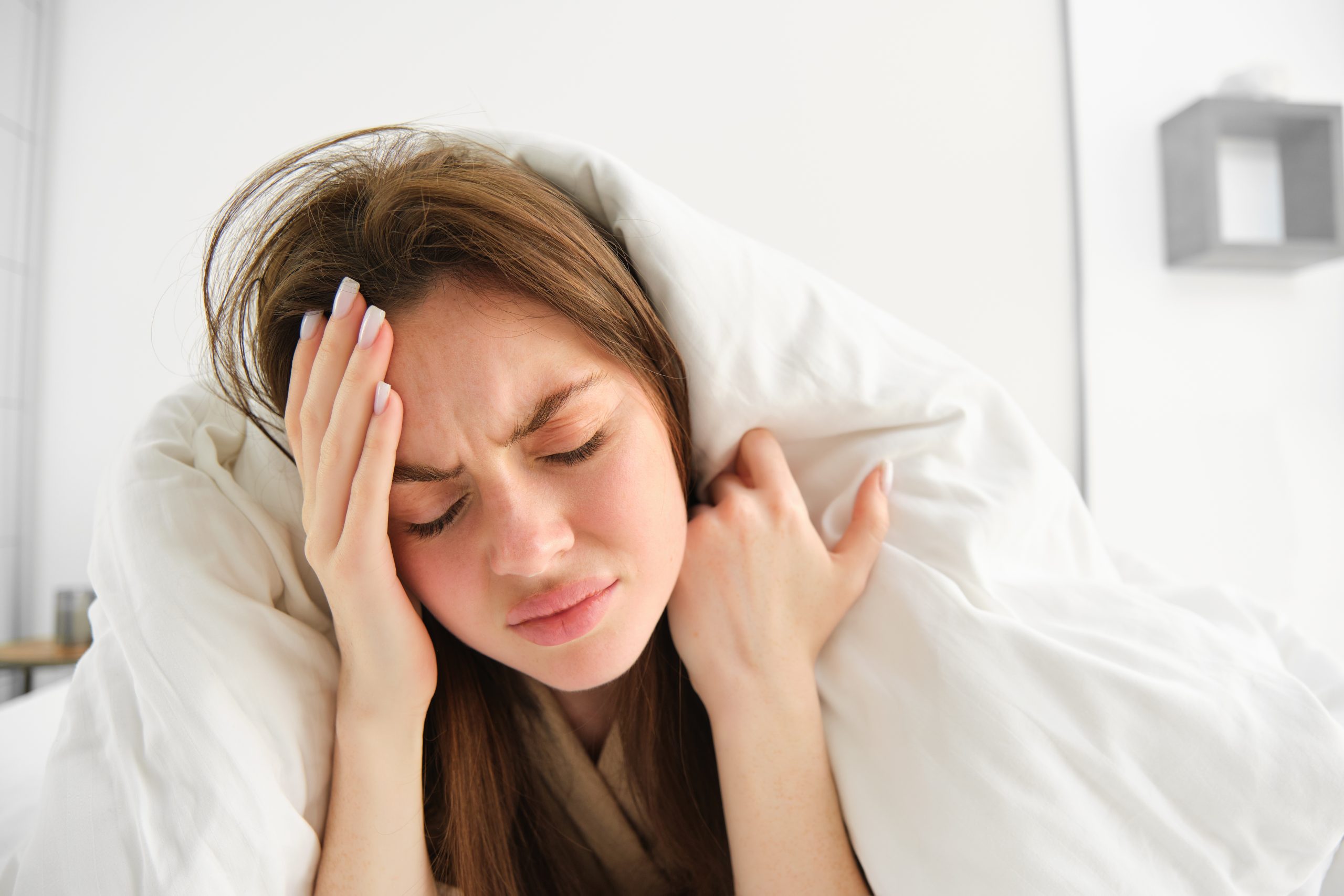
How Sleep Apnea Leads to Headaches
When breathing pauses during sleep, oxygen levels in the blood can drop. At the same time, carbon dioxide levels may increase. These changes can affect blood flow in the brain and trigger headaches, especially in the morning after waking up.
These headaches are often described as dull, pressure-like pain that may improve after getting out of bed and starting normal daily activity. Unlike other types of headaches, they are closely linked to poor sleep quality and oxygen disruption during the night.
At ISS Gulfcoast, Dr. Pisciotta evaluates patients with persistent morning headaches to determine whether sleep apnea or another sleep-related condition may be the underlying cause.
Types of Headaches Associated with Sleep Apnea
Sleep apnea is most commonly linked to what are known as morning headaches. These typically occur shortly after waking and may last for a short period before gradually improving.
Some patients may also experience tension-type headaches throughout the day due to chronic fatigue and poor sleep quality. In more severe cases, repeated oxygen deprivation during sleep may contribute to more frequent or intense headache episodes.
While headaches alone do not confirm sleep apnea, they can be an important warning sign when combined with other symptoms.
Other Common Symptoms of Sleep Apnea
Headaches are just one possible symptom. Sleep apnea is often associated with a broader pattern of signs that may include loud snoring, gasping for air during sleep, daytime sleepiness, difficulty concentrating, and irritability.
Many patients are unaware of these symptoms until a partner or family member notices disruptions in breathing during sleep. Because the condition occurs at night, it can go undiagnosed for a long time.
Why Oxygen Levels Matter
One of the key reasons sleep apnea can cause headaches is related to oxygen deprivation. When the airway becomes blocked, breathing stops temporarily, reducing oxygen supply to the brain. The brain responds to this imbalance by altering blood vessel activity, which can contribute to headache pain.
Repeated episodes throughout the night can prevent the body from achieving deep, restorative sleep, further increasing the likelihood of morning headaches and overall fatigue.
Importance of Diagnosis and Treatment
If sleep apnea is suspected, proper diagnosis is essential. Sleep studies are commonly used to monitor breathing patterns, oxygen levels, and sleep quality throughout the night. Once diagnosed, treatment options can be tailored to the severity of the condition.
Treatments may include lifestyle changes, oral appliances, or advanced therapies designed to keep the airway open during sleep. In some cases, patients may benefit from modern solutions such as Inspire sleep apnea therapy, depending on their individual condition and medical evaluation.
Conclusion
Sleep apnea can indeed cause headaches, especially in the morning, due to reduced oxygen levels and disrupted sleep cycles. These headaches are often a sign of underlying sleep disturbances that should not be ignored.
At ISS Gulfcoast, Dr. Pisciotta provides comprehensive evaluation and treatment options for patients experiencing symptoms of sleep apnea, including chronic headaches. With proper diagnosis and care, patients can improve their sleep quality, reduce headache frequency, and support better overall health.

About the Author
Vincent Pisciotta, M.D., F.A.C.S
Better Days
April 2, 2026