
How Sleep Apnea Affects Blood Pressure
When sleep apnea interrupts breathing, the body responds by activating the sympathetic nervous system, often referred to as the “fight or flight” response. This activation increases heart rate and blood vessel constriction, which can elevate blood pressure, especially during sleep.
Repeated Oxygen Drops
Each pause in breathing reduces oxygen levels in the blood. The body compensates by increasing heart rate and tightening blood vessels, which raises blood pressure. Over time, these repeated spikes can contribute to chronic hypertension.
Stress Hormone Release
Sleep apnea stimulates the release of stress hormones like cortisol and adrenaline. These hormones further increase blood pressure and strain the cardiovascular system, contributing to long-term complications.
The Connection Between Sleep Apnea and Hypertension
Research consistently shows that individuals with sleep apnea are at higher risk for developing high blood pressure, even if they are otherwise healthy. In some cases, treating sleep apnea can lead to significant reductions in blood pressure, highlighting the direct link between the two conditions.
Why Some Patients Are More at Risk
Some patients may be more likely to develop high blood pressure in connection with sleep apnea due to several factors. These include obesity or excess weight, being over the age of 40, having a family history of high blood pressure, and experiencing chronic nasal obstruction or other airway abnormalities. Recognizing these risk factors can help patients seek timely evaluation and treatment, potentially preventing long-term cardiovascular complications.
Signs That Sleep Apnea May Be Affecting Blood Pressure
Sleep apnea is often undiagnosed because symptoms occur during sleep. Key indicators that may suggest a link between sleep apnea and high blood pressure include:
- Loud, chronic snoring
- Pauses in breathing or gasping during sleep
- Morning headaches or dizziness
- Excessive daytime fatigue
- Difficulty controlling blood pressure despite medication
Patients experiencing these symptoms should seek professional evaluation to determine whether sleep apnea is contributing to elevated blood pressure.
How Treatment Can Improve Blood Pressure
Treating sleep apnea not only improves sleep quality but can also help manage high blood pressure. Common treatments include:
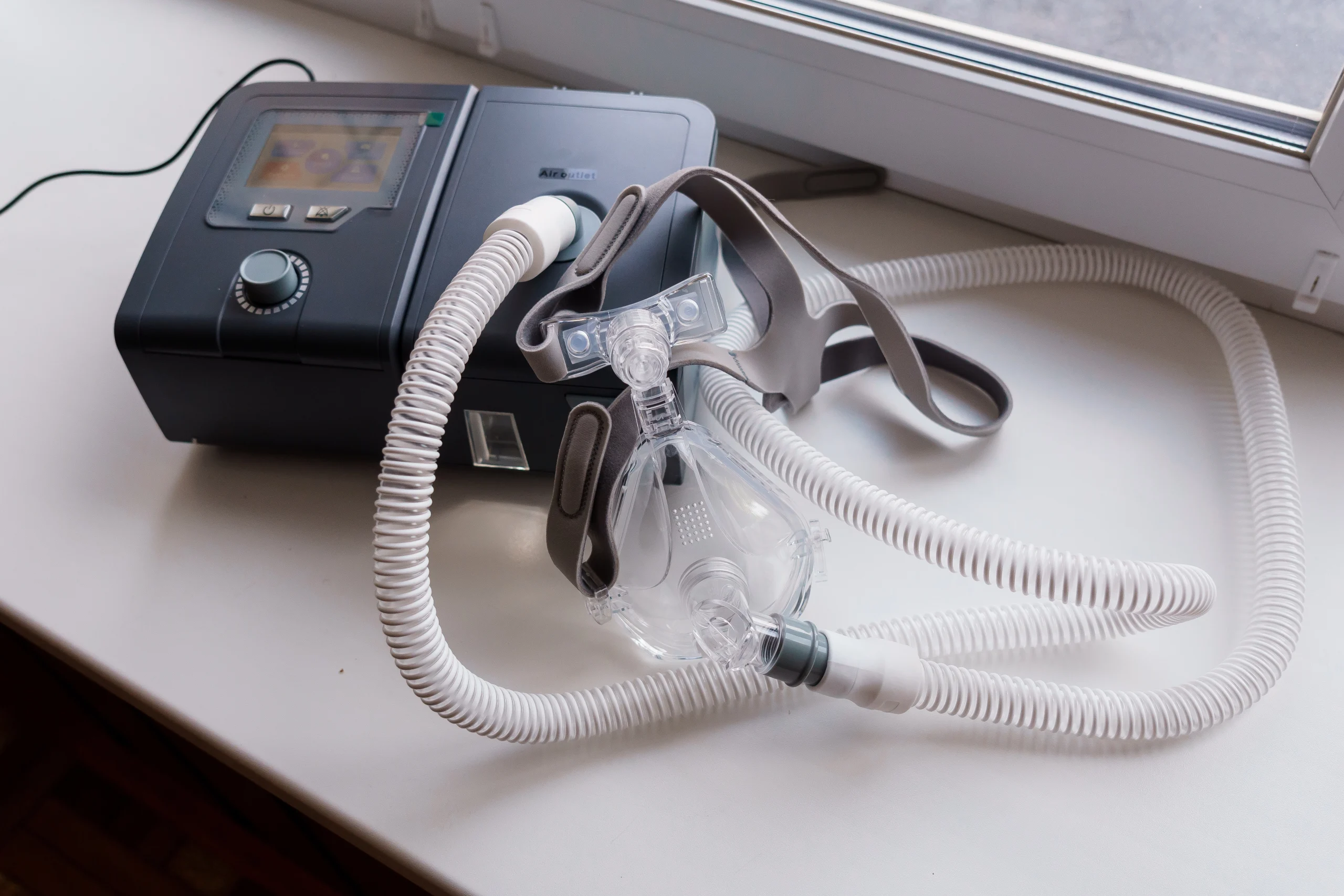
CPAP Therapy: Continuous Positive Airway Pressure devices maintain an open airway during sleep, reducing interruptions and lowering nighttime blood pressure spikes.
Oral Appliances: Custom dental devices reposition the jaw or tongue to improve airflow.
Lifestyle Changes: Weight management, diet, and exercise can improve both sleep apnea and hypertension.
Surgical or Minimally Invasive Procedures: For select patients, correcting airway obstruction can reduce symptoms and associated cardiovascular risk.
At ISS Gulfcoast, patients receive comprehensive assessments to identify sleep apnea and its impact on blood pressure. Dr. Vincent Pisciotta develops personalized treatment plans to address both sleep and cardiovascular health, ensuring a holistic approach to wellness.
The Importance of Early Detection
Early detection and treatment of sleep apnea are critical for preventing long-term complications. Untreated sleep apnea can lead to persistent high blood pressure, increased risk of heart attack, stroke, and other cardiovascular diseases. Routine evaluation for individuals with risk factors, such as snoring, obesity, or family history of hypertension, is essential.
Conclusion
Sleep apnea can significantly affect blood pressure through repeated oxygen deprivation, stress hormone release, and increased cardiovascular strain. Understanding the connection between sleep apnea and high blood pressure allows patients to take proactive steps to protect their health.
Evaluation and treatment at ISS Gulfcoast can help identify sleep apnea, manage hypertension, and improve overall sleep quality. With personalized care from Dr. Vincent Pisciotta, patients can achieve better sleep, healthier blood pressure levels, and long-term cardiovascular wellness.

About the Author
Vincent Pisciotta, M.D., F.A.C.S
Better Days
March 2, 2026