
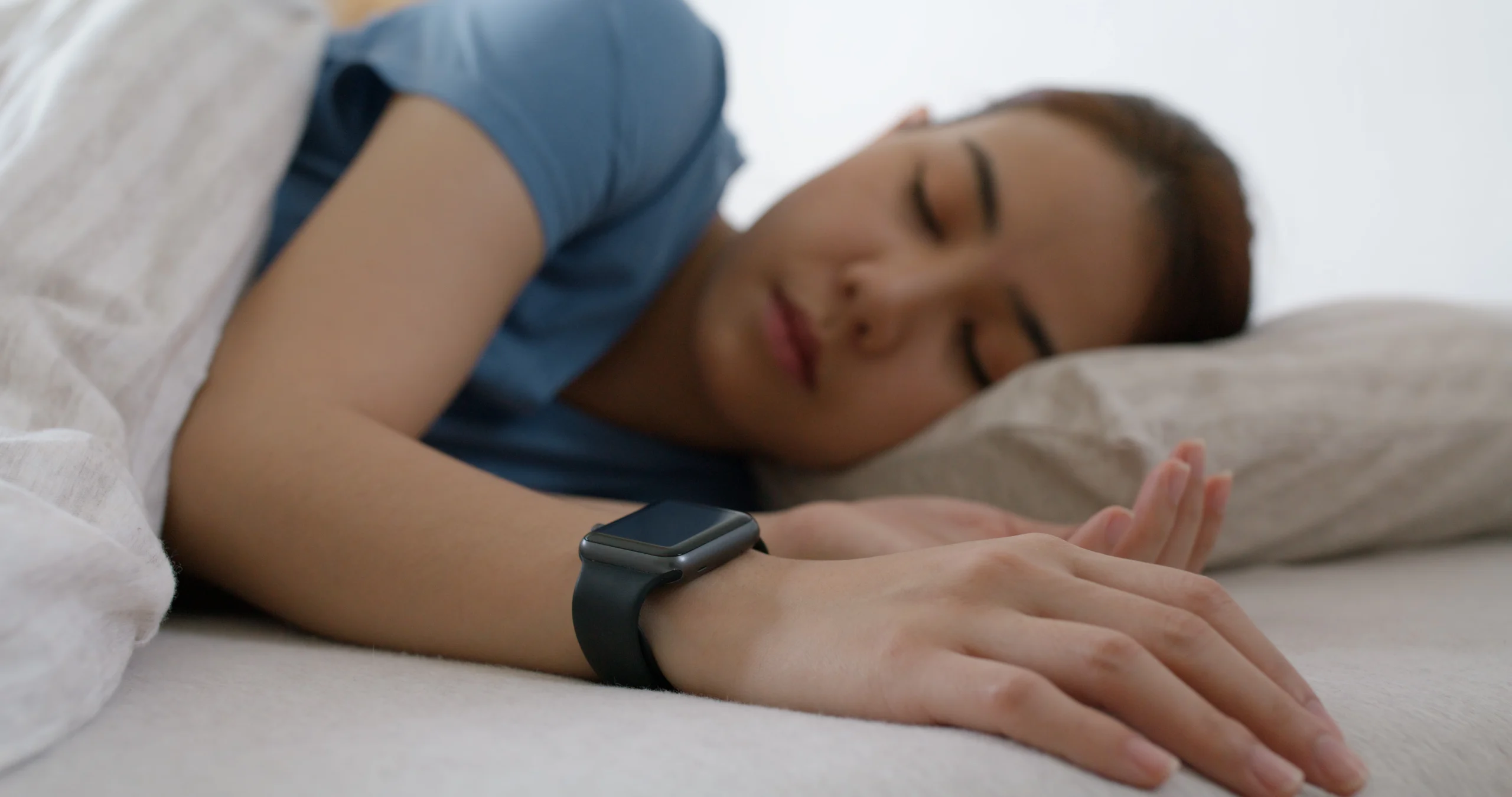
How Sleep Apnea Affects the Body
Sleep apnea occurs when the airway becomes partially or completely blocked during sleep, causing repeated pauses in breathing. These interruptions prevent restorative sleep and lead to reduced oxygen levels, increased stress on the cardiovascular system, and hormonal imbalances that affect metabolism.
Hormonal Disruption
Sleep apnea can disrupt the balance of hormones that regulate hunger and satiety. Levels of ghrelin, which stimulates appetite, can increase, while leptin, which signals fullness, decreases. This imbalance often leads to increased hunger and overeating, even when the body does not need extra calories.
Reduced Energy and Fatigue
Interrupted sleep leaves individuals feeling excessively tired during the day. Fatigue reduces motivation for physical activity, making it harder to maintain a healthy exercise routine. Over time, decreased activity contributes to weight gain.
The Vicious Cycle: Weight Gain and Sleep Apnea
Excess weight, particularly around the neck and upper body, can narrow the airway and increase the likelihood of airway obstruction during sleep. This creates a cycle where:
- Weight gain contributes to sleep apnea
- Sleep apnea disrupts hormones and sleep patterns
- Poor sleep and hormonal imbalances lead to increased appetite and reduced activity
- Additional weight gain worsens sleep apnea
Breaking this cycle often requires addressing both sleep apnea and lifestyle factors simultaneously.
Signs That Sleep Apnea May Be Affecting Weight
Individuals experiencing both sleep apnea and weight gain may notice the following signs:
- Persistent daytime fatigue despite adequate sleep
- Increased cravings, particularly for high-calorie or carbohydrate-rich foods
- Difficulty losing weight despite diet and exercise efforts
- Snoring, pauses in breathing, or gasping during sleep
Recognizing these signs early and seeking professional evaluation can prevent further complications and improve overall health.
How Treatment Can Help
Treating sleep apnea can play a significant role in weight management. Effective treatment helps restore healthy sleep, improve hormone balance, and increase energy levels, making it easier to adopt and maintain healthier habits. Common treatment options include:
- CPAP Therapy: Continuous Positive Airway Pressure devices keep the airway open during sleep.
- Oral Appliance Therapy: Custom-fitted devices reposition the jaw or tongue to improve airflow.
- Lifestyle Modifications: Weight loss, dietary changes, and exercise can improve both sleep apnea and overall health.
- Surgical or Minimally Invasive Procedures: In select cases, airway corrections can reduce obstruction and improve sleep quality.
At ISS Gulfcoast, patients receive a thorough evaluation to identify the root causes of sleep disturbances. Dr. Vincent Pisciotta provides personalized treatment plans to manage sleep apnea and support healthy lifestyle changes that may help reduce weight-related risks.
Conclusion
Sleep apnea can contribute to weight gain by disrupting sleep, altering hormones, and reducing energy for daily activity. Conversely, excess weight can worsen sleep apnea, creating a challenging cycle. Understanding this connection is vital for improving overall health, energy levels, and long-term wellness.
If you suspect sleep apnea is affecting your weight or overall health, professional evaluation at ISS Gulfcoast can help identify the condition and guide effective treatment options. Addressing sleep apnea early not only improves sleep quality but also supports better weight management and a healthier lifestyle.

About the Author
Vincent Pisciotta, M.D., F.A.C.S
Better Days
March 1, 2026